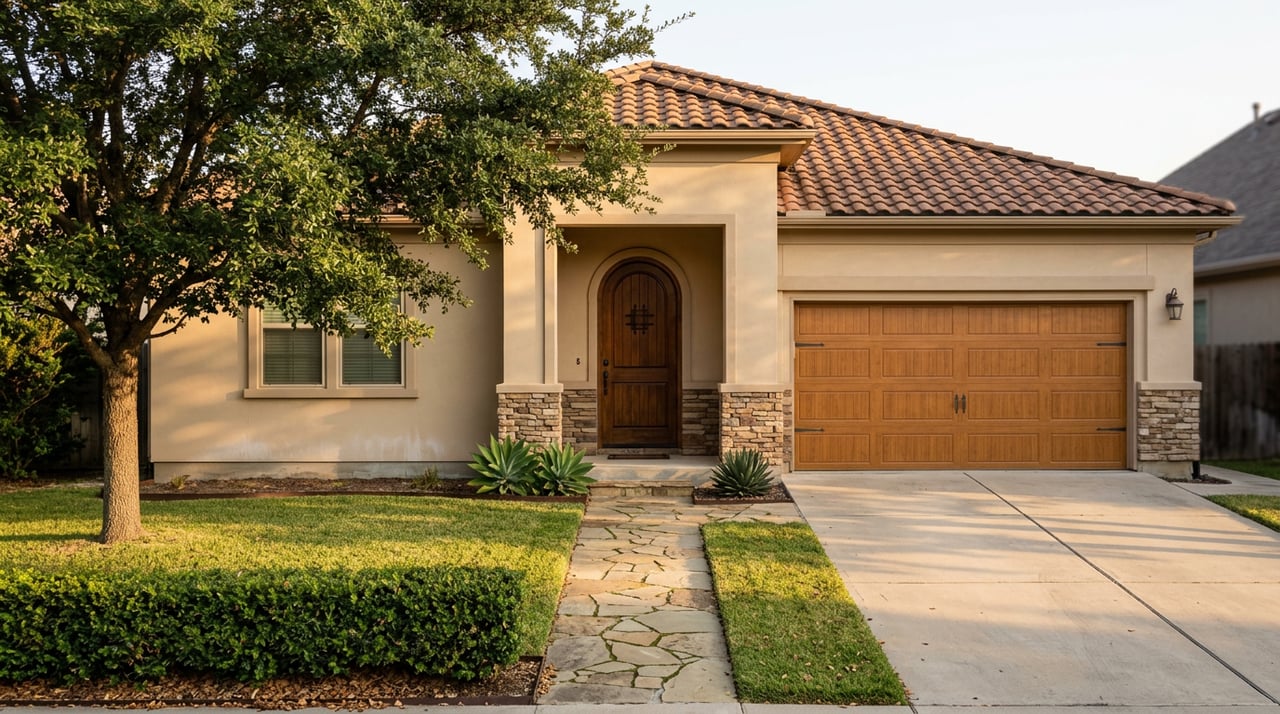
The Fight Over Shade Is Quietly Rewriting the Whittier Greenway Trail
September 24, 2026
September 24, 2026
If you walk the dog on the Greenway most evenings, you've probably noticed the trail doesn't feel the same everywhere. Some stretches sit under a thick canopy that's been growing since before the trail existed. Others, especially toward the east end, are still thin and exposed, more concrete median than greenbelt. That difference isn't an accident of construction timing. It's the visible edge of a policy argument that's been running through Whittier since 2023, and now it's reaching the trail itself.
The short version: the city is weighing how tree-management choices affect shade and sightlines. Uptown has seen a related debate, and the Greenway is now part of that broader discussion.
Most people who use the Greenway know about one of these stories but not both, because they happened in different parts of town and got covered separately. Put together, they're the same debate.
In December 2023, the Whittier City Council voted to remove 108 mature trees along Greenleaf Avenue in Uptown all at once, as part of a road and water main project that had started years earlier as a slower, phased plan. Residents packed a January 23, 2024 council meeting to object, and a Cal State Fullerton student named Eva Rodriguez started a Change.org petition that had collected nearly 3,000 signatures within two months. The group that formed around the issue, Save Our Trees Whittier, is still active. Its organizer, Conny McCormack, has kept pressing the council to reverse course and restore a tree protection ordinance. By early 2026, that same group's petition had grown past 7,000 signatures, enough to force the city into a full Environmental Impact Report before it can permanently change how it manages street trees.
That EIR requirement matters because it's now the backdrop for a second decision, this one on the Greenway.
On December 9, 2025, the council directed staff to come back with an implementation schedule and budget for landscaping changes along the Greenway Trail, specifically to improve sightlines and safety. Parks director Virginia Santana presented the proposal alongside City Manager Conal McNamara and Police Chief Aviv Bar, and the discussion covered plant choices, homelessness response, and the same CEQA questions now hanging over the Uptown tree fight. Council members framed it around crime prevention through environmental design, the idea that thinner, lower plantings make it harder for anyone to hide and easier for a patrol officer to see down the corridor. One council member, Ruben Pacheco, was the lone vote against suspending the city's broader tree manual policy, arguing the tradeoffs deserved more scrutiny before mature trees came out anywhere in the city.
So the Greenway isn't getting a landscaping refresh in isolation. It is part of the city's broader discussion about tree management.
It's worth remembering why the Greenway looks the way it does in the first place. When the original 4.6-mile trail opened in 2009 on an abandoned Union Pacific rail spur, the design was explicitly built around "safe by design" landscaping, meaning dense, mature plantings weren't a decorative afterthought. They were the strategy. The trail's own design record shows the corridor was seeded with more than 1,000 trees and 46 plant species specifically to replace the overgrown, unsupervised right-of-way that had attracted dumping and drug activity before the trail existed.
"There is a real sense of community among those who use the trail, and people greet one another as they pass."
That's how a Whittier council member described the Greenway in an early Western City account of the project. It's also part of what makes the current sightline argument uncomfortable. The same landscaping that gave the trail its identity, the thing people point to when they say it feels different from just walking down Whittier Boulevard, is the thing now being reconsidered as a liability.
The trail's themed rest stops are where that identity shows up most clearly:
Scattered among these are kinetic wind sculptures by Utah artist Lyman Whitaker, copper and stainless steel pieces installed at multiple points along the trail that slowly develop a patina as they age. They're part of what earned the Greenway a Helen Putnam Award of Excellence from the League of California Cities and a Specialty Park Award from the California Park and Recreation Society, both in 2010. None of that history disappears under a sightline-focused redesign, but it's the kind of texture that's easy to lose if landscaping decisions get made purely around what a patrol car can see from the street.
Here's the detail that makes this more than a local dispute over hedges: Whittier's insurance carrier is pushing from the other direction. The California Insurance Pool Authority has reportedly threatened to end the city's coverage participation unless Whittier permanently drops its existing Parkway Tree policy, the same policy the EIR is meant to replace. That's a financial pressure point layered on top of the safety argument and the Save Our Trees campaign, and it's part of why this isn't likely to resolve quickly. West Coast Arborists, the contractor already handling the city's tree management, is positioned to do whatever landscaping work eventually gets approved, but as of this fall there's still no adopted schedule or budget for the Greenway changes specifically. Staff was told to come back with one. That hasn't happened publicly yet.
For someone who uses the trail three or four times a week, the practical upshot is this: nothing has changed on the ground yet, but the framework for what changes is already being negotiated in discussions that also relate to the Greenleaf Avenue decision. If the council applies the Uptown logic to the Greenway, you should expect the same kind of debate, phased removal versus all-at-once, replacement height versus mature canopy, before you expect to see new plantings.
If you want to see where this is headed before it shows up in a headline, the council's public agendas are the place to look, not the trail itself. The EIR process alone typically takes months, and Whittier's own development trackers note the city is still drafting that document for the broader tree manual. Any Greenway-specific budget or schedule would likely surface as a line item in a future council meeting rather than a surprise crew showing up with chainsaws.
In the meantime, the trail is still exactly what it's always been: a good place to walk a dog, get a run in before the heat sets in, or let a kid learn to ride a bike without worrying about cross traffic. The debate over its future is real, but it's a slow one, and the version of the Greenway you're walking today, ficus canopy and wind sculptures included, isn't going anywhere overnight.
It's just worth knowing that the next time you notice a bare patch of median where a hedge used to be, or hear that the council spent another meeting on plant palettes, you're seeing how the Greenleaf Avenue discussion is informing the Greenway proposal.
If you're curious how conversations like this one tend to ripple into property values or renovation plans around Uptown and the surrounding streets, that's the kind of question Jacob Klimenko fields regularly from Whittier neighbors, whether or not a move is anywhere on the horizon. Feel free to reach out anytime you want a second opinion grounded in what's actually happening on the ground here, not just what shows up on a portal.
Stay up to date on the latest real estate trends.
Connect with a real estate professional who values trust, insight, and personal attention. Every step is guided by a deep understanding of what “home” truly means.
Get In Touch With Our Team To Learn More
Jacob Chazz Klimenko
ADDRESS 13225 Philadelphia St, Ste E Whittier, CA 90601 CA DRE# 02236520 The Real Estate Store Inc | CA DRE# 01486058